Sump Pump Installation in Chicago, IL
A sump pump gathers water from beneath a basement floor and sends it outdoors before it spreads. For homeowners in Chicago, IL, this free referral service hands your request to one independent local contractor, who comes to see the basement and writes up a pump plan with a price.
Not sure if we cover your area? Check now ↓
Basement Estimate Request
Takes about 30 seconds. One local contractor gets it and contacts you.
Your details go to one independent contractor who works around Chicago, IL, and that contractor gets in touch with you directly. See our Referral Marketing Disclosure.
How a Sump System Keeps Water Out
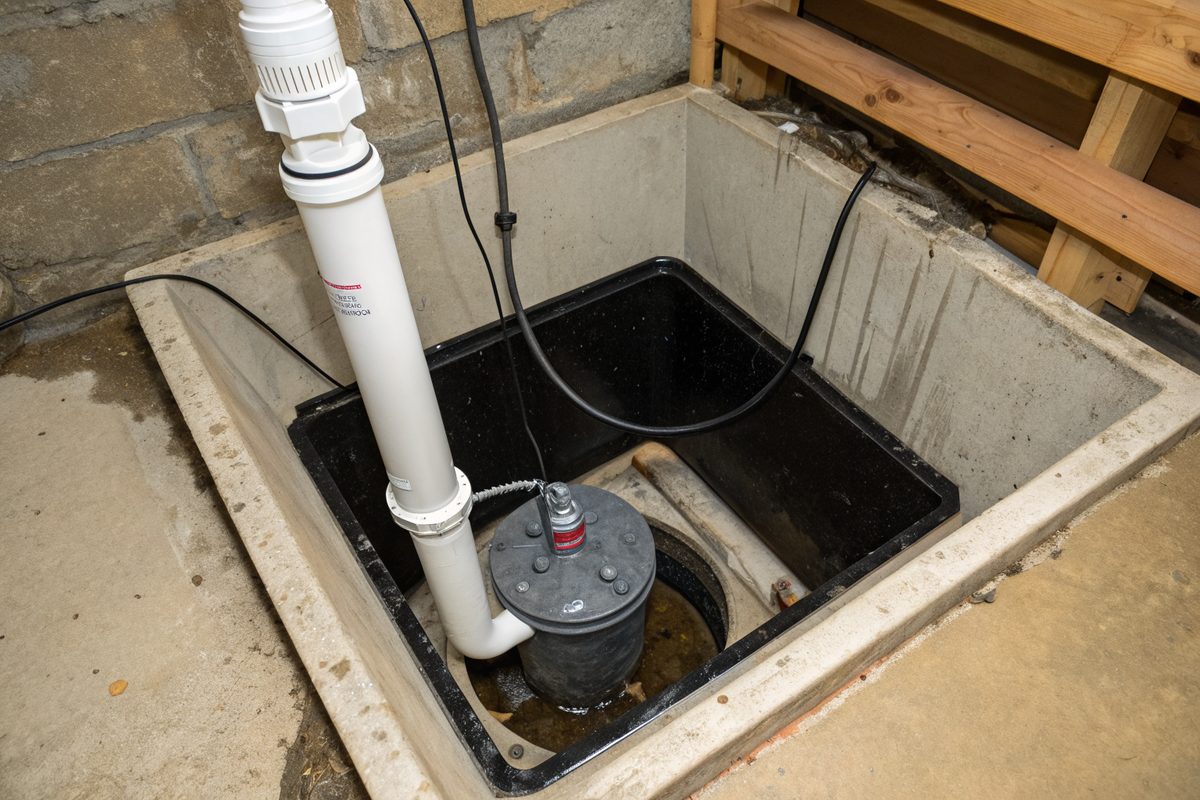
Three parts do the work. A basin sits below the slab, where water from an interior drain tile loop or from the soil underneath can gather. A pump with a float switch rests inside it; once the level rises far enough, the float trips and the pump lifts the water through a discharge pipe to the yard. A check valve on that pipe keeps the water from sliding back down whenever the motor shuts off.
Chicago's ground keeps these systems busy. Much of the city sits on silt and clay left by ancient Lake Chicago, according to the Illinois State Geological Survey, and that soil can keep water pooled under slabs long after a storm. The city also has more than 80,000 bungalows, most built from 1910 to 1940 with full basements (Historic Chicago Bungalow Association).
A sump handles groundwater only. Water rising out of a floor drain usually points to the combined sewer that serves most of Chicago, where rain and household wastewater share pipes and a big storm can push the flow backward. Report that to 311 (312.744.5000 from outside the city), saying whether the water is clean or dirty and where it entered.
For backups, the Metropolitan Water Reclamation District (MWRD) suggests a check (backwater) valve or an overhead sewer. The first is a one-way gate that shuts when the street sewer surges; the second sends basement drains to an ejector pit that lifts waste above sewer level. Both are licensed plumbing work, and no citywide program pays toward them.
What This Covers
- A first sump. A new basin cut into the slab, often fed by an interior drain.
- A worn-out pump. Replacing a unit that hums, sticks or never rests with one sized to the pit.
- A missing check valve. So the pump stops moving the same water twice.
- Backup and alarm. A battery-powered second pump for outages, plus a high-water alarm.
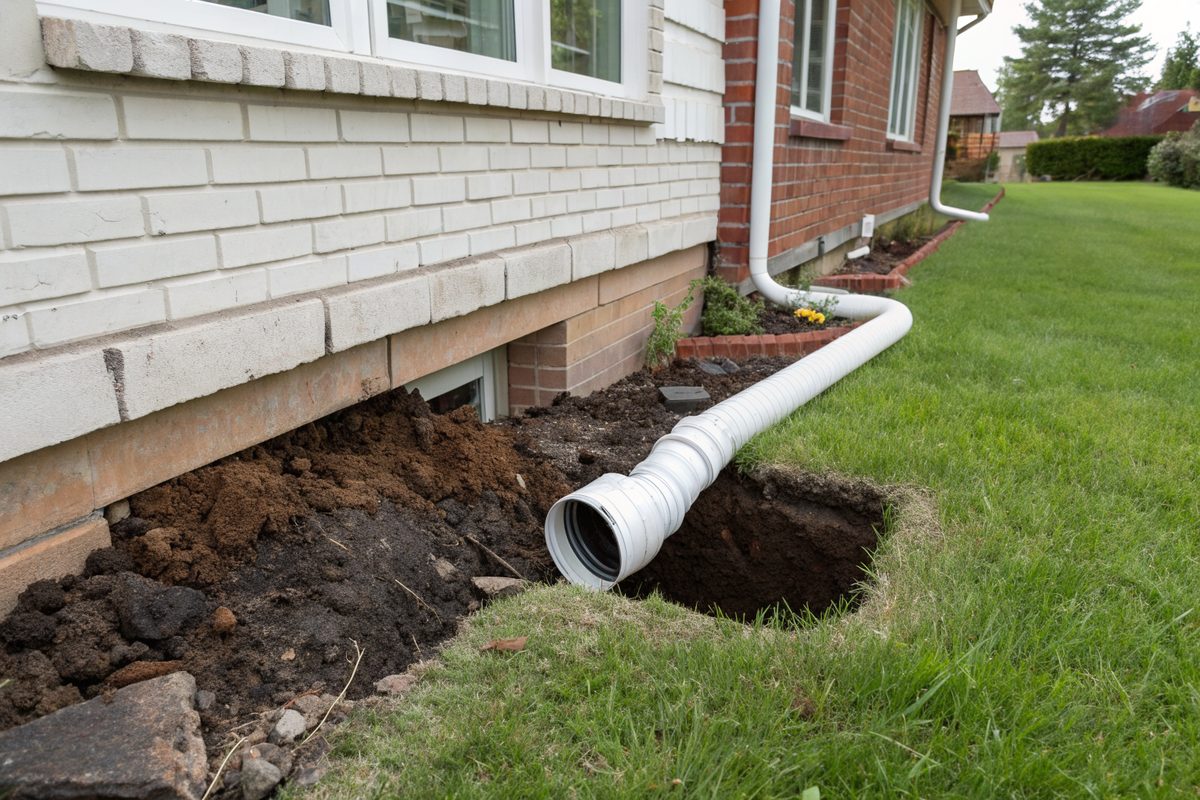
- Where the water ends up. A discharge line that empties far from the foundation and off a neighbor's lot.
How Pricing Usually Works
| Cost row | Figure | Source (year) |
|---|---|---|
| Typical basement waterproofing project | about $3,000 to $10,000 (average about $5,000) | Fixr national (2026) |
| Interior perimeter drain, per linear foot | $40 to $120 | Fixr national (2026) |
| Sump pump installation | $600 to $2,500 | Fixr national (2026) |
| Epoxy crack injection, per crack | $250 to $1,000 | Fixr national (2026) |
| Waterproof paint or sealant, per sq ft | $1 to $8 | Fixr national (2026) |
Sump work sits on the third row, which is wide for a reason: dropping a new pump into a sound basin is minor next to breaking concrete for a fresh pit with a battery unit. Drain tile feeding the pit adds its per-foot row. The cost guide explains each figure, and the cost calculator adds them up for your basement.
Steps a Contractor Usually Follows
- Keep a short log. Jot down whether water appears with the spring thaw, after summer downpours or nearly every week.
- The contractor visits. It looks over the slab, any existing pit, the nearest outlet and a route for the discharge pipe.
- An itemized estimate. Pump model, basin, check valve, backup, alarm and discharge route, each on its own line.
- Permits and trades. A tie-in to the drain system goes to a City-licensed plumbing contractor; sewer work goes to a licensed drainlayer under a City sewer permit. The contractor confirms permits with the Chicago Department of Buildings and names in writing who pulls them.
- Fill and watch. Water poured into the basin should start the pump, send water out the line and close the valve.
Less Hassle, Clearer Answers
You explain the water once, and a single independent local contractor follows up. The referral is free: you pay nothing, you receive nothing, and contractors may pay the site for advertising. The site does no basement work of any kind, never prices or installs a pump and holds no City of Chicago contractor license.
Before signing, confirm the contractor's City license through the Department of Buildings (online search or 312.744.3449) and get copies of its liability and workers' comp coverage. Illinois requires a written contract above $1,000; yours should name the pump, the discharge point and whether the warranty carries over to a buyer. Link payments to finished stages and let any sign-today offer wait.
What People Ask First
Can my sump empty into the sewer?
Never tie a sump line into a sanitary or combined sewer without asking first. The contractor confirms with the Chicago Department of Buildings what your address allows, and any link to the drain system is a job for a City-licensed plumbing contractor with a permit. Most pumps simply discharge onto the lawn, far enough out that the water doesn't drift back.
Is a battery backup worth adding?
Chicago's summer storms can knock out power just as the rain peaks, and an ordinary pump quits along with the electricity. A backup makes more sense the more often your pump cycles and the more you keep downstairs. Ask for the backup pump and the alarm as separate lines so each is its own choice.
Why does my pump run all the time?
Clay can keep a pump cycling through a long wet spell. Nonstop running in dry weather is different: a stuck float, no check valve, an undersized basin or a hidden water source could be behind it. Having a contractor look soon can save the motor.
More Ways to Keep Water Out
A sump earns its keep when a drain feeds it, so basement drainage and full basement waterproofing often enter the conversation; water at a single spot may call for basement leak repair or foundation crack repair instead.
Next Step: A Sump Pump Estimate
Describe the pit, the floor and the weather on the form. One independent local contractor serving Chicago will be in touch about a visit and a written price, and hiring anyone stays your choice.