Basement Leak Repair in Chicago, IL
A basement leak in Chicago, Illinois can be a dark stain at the foot of one wall or a thin sheet of water across the floor after a storm. Through this free referral service, your request goes to one independent local contractor, who visits, follows the water to its source and writes up ways to fix it.
Not sure if we cover your area? Check now ↓
Basement Estimate Request
Takes about 30 seconds. One local contractor gets it and contacts you.
Your details go to one independent contractor who works around Chicago, IL, and that contractor gets in touch with you directly. See our Referral Marketing Disclosure.
From a Damp Corner to a Puddle
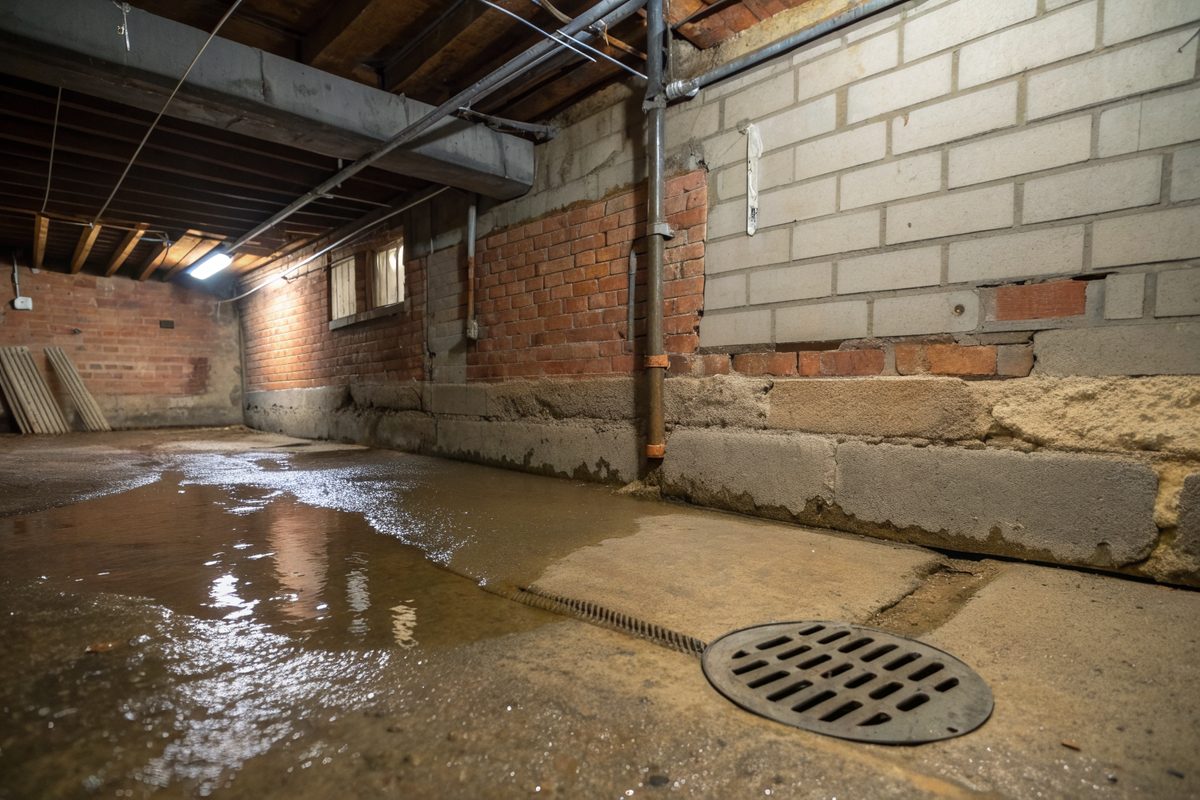
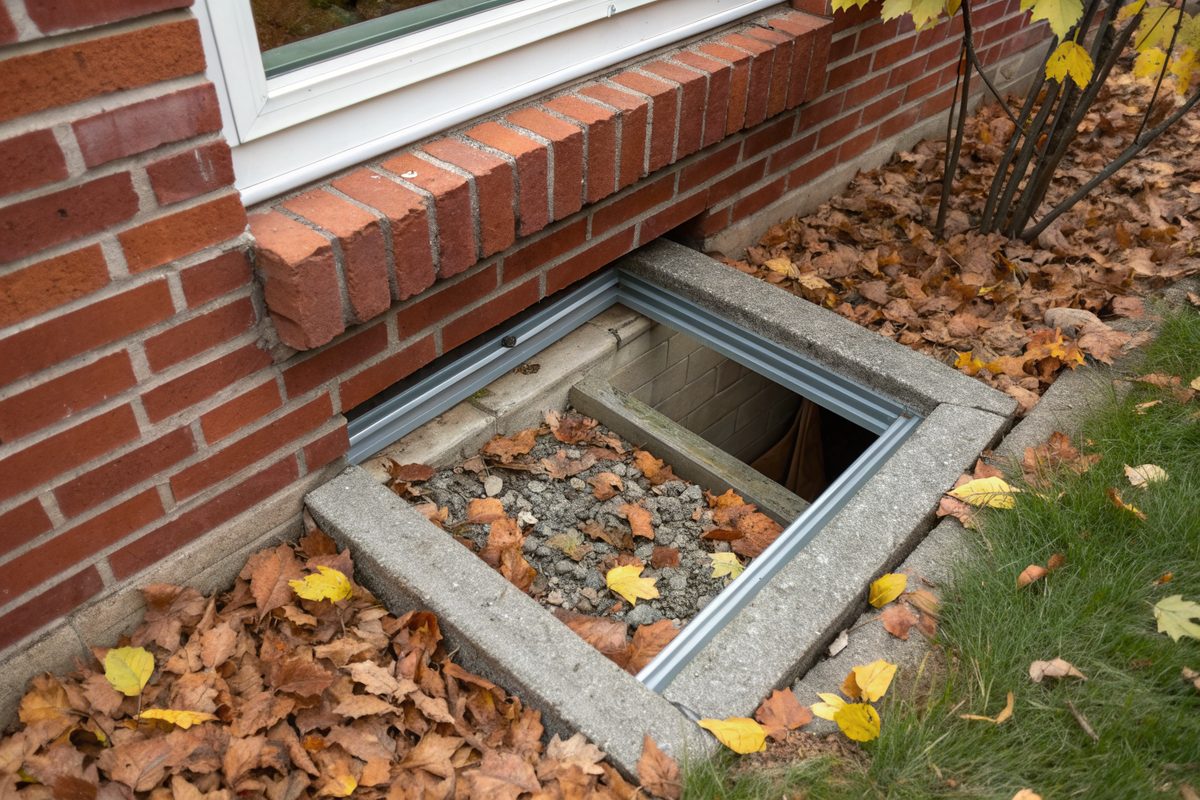
Water seldom collects where it enters. Usual entry points are the wall-floor joint, cracks in poured concrete, gaps around pipes, window wells that fill in a storm, and worn mortar in block or brick. Outside, a downspout dumping at a corner or ground tipping toward the house can aim runoff at a weak spot.
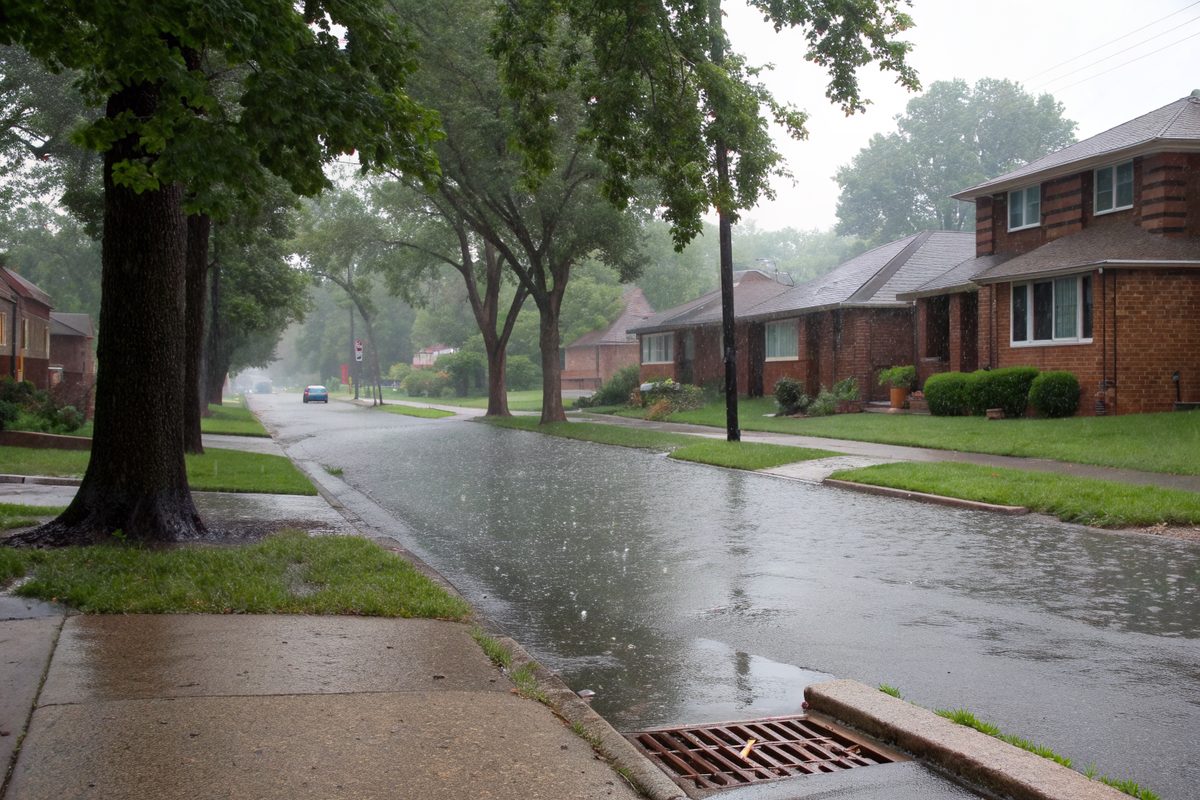
Heavy rain often exposes a leak that sat quiet for years. Over April 17–18, 2013, the National Weather Service measured 5.55 inches at O'Hare, a two-day April record. On July 2, 2023, Weather Service gauges caught nearly 9 inches in Berwyn, and WBEZ counted more than 12,000 water-in-basement reports to Chicago's 311 over the next two weeks, roughly four in ten from Austin.
Water rising out of a floor drain is a separate problem. Across most of Chicago, storm runoff and household wastewater travel in the same combined sewer pipes, and a heavy storm can shove that mix back up into basements. Tell 311 (312.744.5000 from outside the city) where the water entered and whether it looked clean or dirty. The owner maintains the line out to the street sewer; to prevent repeats, the MWRD points to disconnected downspouts and to a check valve or overhead sewer, which is a licensed plumber's job.
What This Covers
- A single crack that weeps. Usually sealed from inside the basement with injected resin.
- Wet floor edges. Water along the wall-floor joint may call for a short run of interior drain.
- Worn mortar. Tuckpointing block, brick or stone joints that have opened or crumbled.
- Gaps at pipes and windows. Sealing around pipes, window frames and wells.
- Runoff aimed at the house. Cleaning gutters, extending or disconnecting downspouts and regrading soil so it falls away.
- The same spot after every soaking rain. A leak that keeps returning is worth having a contractor look at.
- White chalky residue. Mineral deposits on a wall show that water has been moving through it.
How Pricing Usually Works
| Cost row | Figure | Source (year) |
|---|---|---|
| Typical basement waterproofing project | about $3,000 to $10,000 (average about $5,000) | Fixr national (2026) |
| Interior perimeter drain, per linear foot | $40 to $120 | Fixr national (2026) |
| Sump pump installation | $600 to $2,500 | Fixr national (2026) |
| Epoxy crack injection, per crack | $250 to $1,000 | Fixr national (2026) |
| Waterproof paint or sealant, per sq ft | $1 to $8 | Fixr national (2026) |
A single leak often maps onto one row, such as one injected crack; water along several walls drifts toward the whole-project range. These are national Fixr figures, not prices from this site, and backflow valves and overhead sewers aren't in the table. The cost guide explains what pushes a Chicago job up or down.
Steps a Contractor Usually Follows
- Notes from you. Photos of the wet area and roughly how long after rain it appeared.
- Tracing the water. Expect a look at gutters, downspouts, window wells and grading, not just the walls.
- A written estimate. It names the repair, its location, the materials and the warranty terms.
- Checks on your side. Look up the City of Chicago license, ask for proof of liability insurance and workers' comp, and find out who will pull any permit.
- A rain check. Look at the repaired spot again after the next downpour.
Less Hassle, Clearer Answers
One request means one contractor, one visit and one written price to weigh. As a free referral service, this site does no basement work, holds no City of Chicago contractor license, sets no prices and never signs a contract. Contractors may pay to advertise here, while homeowners never pay and never receive anything. Get scope and price in a written contract, pay as work is finished, and be wary of cash-only terms or a push to sign on the spot.
Insurance Questions About Basement Water
How the water got in can affect your coverage. A typical homeowners policy may skip sewer backups entirely unless you bought an add-on rider, and gradual seepage is a common exclusion. Your policy wording settles it, so read it and put any questions to your insurer or agent.
This site stays out of insurance entirely and can't say what any policy covers.
What People Ask First
Why does my basement leak in spring but stay dry in late summer?
Snowmelt and spring rain leave the ground soaked, so extra water pushes sideways against the foundation and finds small gaps. In a dry August the same soil absorbs a storm first. Clay, common on the old lake bed under the city, drains slowly.
Water came up through the floor drain. Is that a leak?
Probably not. Water rising from a floor drain points to a sewer backup rather than seepage. Chicago residents can report it through 311; suburban homeowners should reach their village's public works office instead. A check valve or overhead sewer is plumbing work for a licensed plumber.
Will fixing a leak tear up the yard?
Usually not. Most single-leak repairs happen from inside: injecting a crack, tuckpointing joints or adding a short drain section. Outdoor work tends to be modest, like moving a downspout or building up soil so it falls away from the wall.
Is it worth fixing gutters first?
It's a cheap first step. Clear the gutters and have each downspout empty several feet from the house; the MWRD also encourages disconnecting them. If the wet patch returns after the next soaking rain, the wall likely needs attention.
More Ways to Keep Water Out
If one leak is part of a bigger pattern, the pages on foundation crack repair, basement drainage, sump pump installation and full basement waterproofing cover the larger fixes.
Start Your Leak Repair Request
Tell us where the water appears and what weather sets it off. One independent local contractor will follow up to schedule a visit and put a price in writing; going ahead is your decision alone.