Basement Drainage in Chicago, IL
Many wet basements begin with water that has nowhere to go but the foundation. If you own a home in Chicago, IL, this free referral service passes your request to one independent local contractor, who walks the yard and the basement and puts drainage options and prices in writing.
Not sure if we cover your area? Check now ↓
Basement Estimate Request
Takes about 30 seconds. One local contractor gets it and contacts you.
Your details go to one independent contractor who works around Chicago, IL, and that contractor gets in touch with you directly. See our Referral Marketing Disclosure.
Exterior Drains and Downspouts
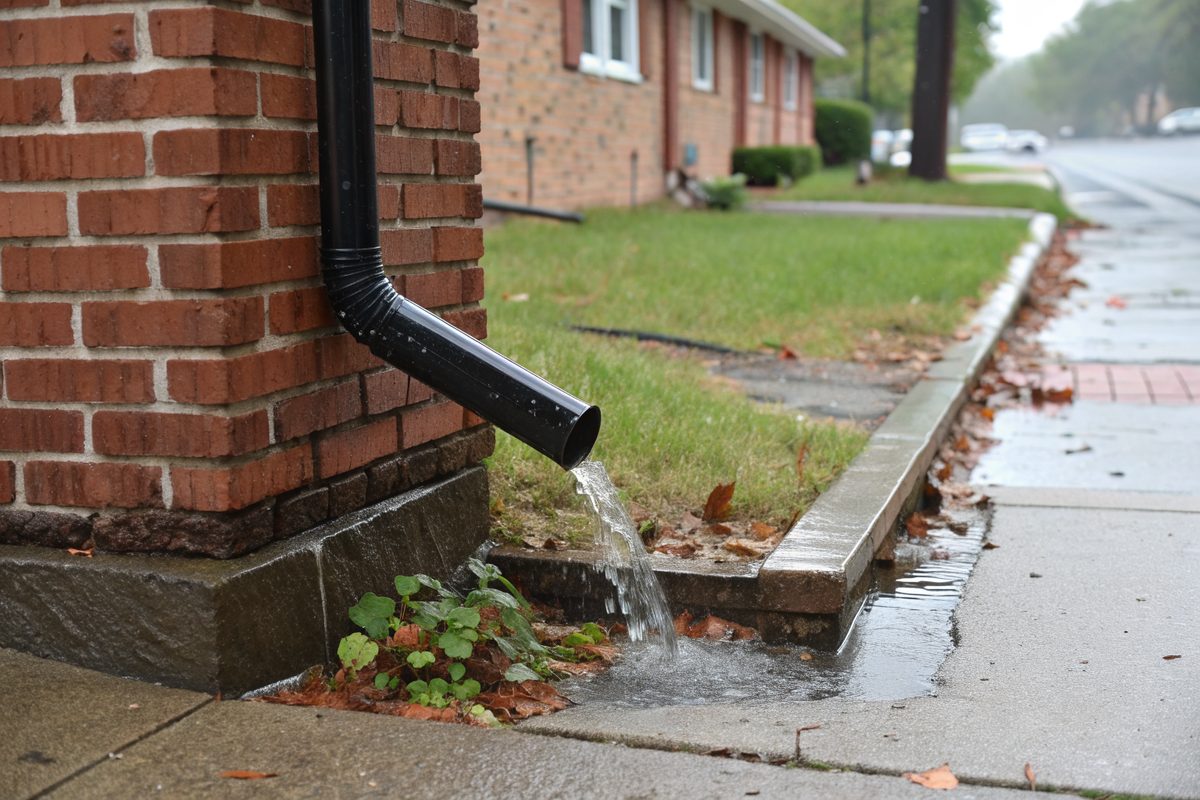
Good drainage starts at the roof. Gutters release a whole roof's rain at a few corners, so a downspout ending beside the wall soaks one patch of foundation in every storm. Extensions and outward-sloping soil move it away. An exterior French drain, perforated pipe in a gravel trench, can catch water crossing the yard, but only if it has somewhere lower to empty.
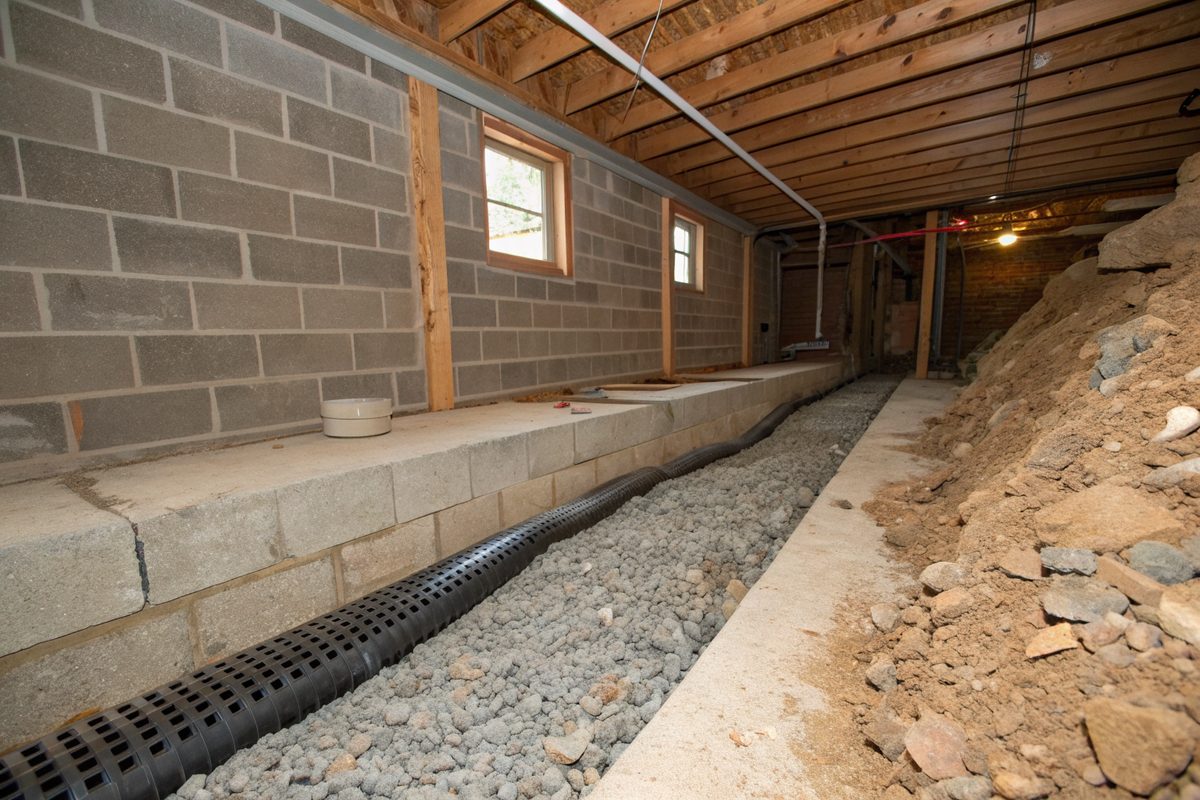
That catch matters in Chicago. The Illinois State Geological Survey describes much of the area as the flat floor of ancient Lake Chicago, built of silt and clay. Clay sheds water slowly, so an outdoor trench in dense ground may just fill and sit. When yard fixes fall short, interior drain tile picks up seepage at the footing from inside and routes it to a sump pit, and a pump sends it out.
Downspouts that vanish into a pipe in the ground can lead to the sewer, and across most of Chicago that sewer is a combined one, carrying storm runoff and household wastewater in a single pipe. The City's Department of Water Management and the Metropolitan Water Reclamation District (MWRD) both advise disconnecting downspouts: the inlet gets capped and roof water spreads across the lawn instead.
Water rising through a floor drain is a sewer issue rather than a drainage one and should be reported to 311 (312.744.5000 from outside the city), with a note on whether it was clean or dirty; the pipe from the house to the street sewer is the owner's to maintain. For repeat backups, MWRD suggests a check (backwater) valve or an overhead sewer, installed by a City-licensed plumbing contractor under a permit; no citywide program pays toward either.
What This Covers
- Overflowing gutters. Cleaning, resizing or rehanging gutters that spill in a hard rain.
- Badly placed downspouts. Extensions or a disconnection so roof water lands out in the yard, not at a corner or in the sewer.
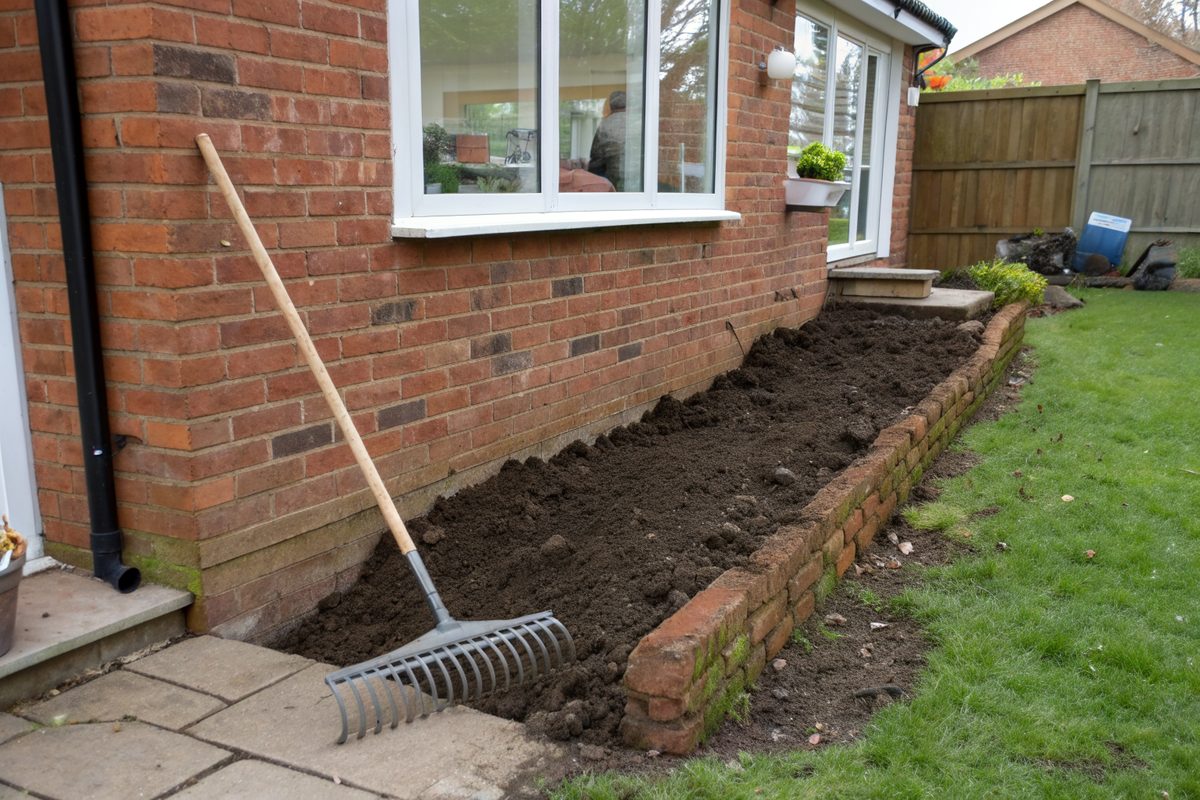
- A yard sloping inward. Regrading so the soil falls away from the house.
- Seepage where wall meets floor. Interior drain tile along one side or all the way around, feeding a sump.
- A soggy strip by the foundation. An exterior French drain, where the lot has a lower outlet.
How Pricing Usually Works
| Cost row | Figure | Source (year) |
|---|---|---|
| Typical basement waterproofing project | about $3,000 to $10,000 (average about $5,000) | Fixr national (2026) |
| Interior perimeter drain, per linear foot | $40 to $120 | Fixr national (2026) |
| Sump pump installation | $600 to $2,500 | Fixr national (2026) |
| Epoxy crack injection, per crack | $250 to $1,000 | Fixr national (2026) |
| Waterproof paint or sealant, per sq ft | $1 to $8 | Fixr national (2026) |
Interior drain is billed by the foot, so one wet wall and a full loop sit far apart. Gutter, grading and downspout jobs are quoted case by case; backup protection is covered in the cost guide. The cost calculator estimates a drain run from your basement's size.
Steps a Contractor Usually Follows
- Notice where it goes. In the next steady rain, see where water pools outside and where it shows up downstairs.
- Start above ground. Gutters, downspout outlets and the grade usually get a look before anything below the slab.
- Footage in writing. A drain tile estimate lists the walls covered and the total length.
- Name every outlet. The plan shows where downspouts and the sump line empty; nothing joins a sewer without asking first.
- Permits and trades. Drain-system tie-ins belong to a City-licensed plumbing contractor, sewer work to a licensed drainlayer with a City sewer permit. Which permits apply is for the contractor to settle with the Chicago Department of Buildings, with the permit holder named in writing.
- Judge it in the rain. After patching, the next heavy storm is the test.
Less Hassle, Clearer Answers
Water often finds several paths in, so one independent local contractor looking at roof edge, yard and floor together helps. The referral is free and gives you nothing in return; contractors may pay the site for advertising. This site is not a contractor, holds no City of Chicago contractor license and does no drainage work.
Look the contractor up in the Department of Buildings' licensed-contractor search or at 312.744.3449, and ask for proof of liability insurance and workers' comp. Above $1,000, Illinois law calls for a written contract, and the contractor must hand you the "Home Repair: Know Your Consumer Rights" pamphlet before you sign; the contract should show the drain's path, footage, pump, outlet and warranty. Walk away from cash-only or same-day pressure.
What People Ask First
Do yard fixes come before drain tile?
Usually worth trying first. Gutter, downspout and grading work tends to cost less and stops water before it reaches the wall. If the basement still gets wet after the outside is in order, that is the time to ask a contractor about an interior drain.
Will interior drain tile cope with clay?
Often, yes. The pipe collects seepage at the footing from inside, so it doesn't rely on dense soil to carry water off. It still needs a sump and a sensible discharge point, both of which a contractor's visit should settle.
Should I disconnect my downspouts?
The City's Department of Water Management and MWRD both recommend it, since roof water in a combined sewer adds to storm flow. Send the freed water well away from your foundation and the house next door, and ask the contractor whether a permit applies at your address.
More Ways to Keep Water Out
Interior drains empty into a pit, so see sump pump installation; one damp spot may point to basement leak repair or foundation crack repair, and full basement waterproofing explains whole-house systems.
Ask About Basement Drainage
Use the form to note where the yard stays wet, where the basement shows water and what weather sets it off. A single independent local contractor serving Chicago follows up to arrange a visit and a written price, and you decide whether to go ahead.