Foundation Crack Repair in Chicago, IL
Cracks in basement walls are common in Chicago, Illinois, where many foundations are close to a century old, and plenty never do more than seep. Send one request through this free referral service and an independent local contractor comes out, measures what's there and puts repair options and a price in writing.
Not sure if we cover your area? Check now ↓
Basement Estimate Request
Takes about 30 seconds. One local contractor gets it and contacts you.
Your details go to one independent contractor who works around Chicago, IL, and that contractor gets in touch with you directly. See our Referral Marketing Disclosure.
When a Crack Lets Water In
The right fix starts with what the wall is made of. Poured concrete often develops thin vertical or slanted cracks as it cures and shrinks. These are usually injected: small ports are set along the line, then epoxy or polyurethane is pumped in until the crack is full. Epoxy sets rigid and bonds the two faces together; polyurethane foams, stays a little flexible and is often the pick when the goal is simply to stop water.
Block and brick walls give way at the mortar, so their cracks tend to climb the joints like a staircase. Injection works poorly in hollow block or old brick, and the usual answer is tuckpointing: grinding out tired mortar and packing in fresh. Walls like these are everywhere in the city, since about 39% of Chicago homes were built before 1940 (CMAP, from Census data).
The ground adds strain. Much of Chicago sits on silt and clay left by ancient Lake Chicago (Illinois State Geological Survey), and wet clay can press on a foundation, while freeze-thaw cycles can widen small gaps. A crack that only seeps after rain is mostly a water problem. One that runs sideways, keeps growing or comes with a bowing wall is worth having looked at soon.
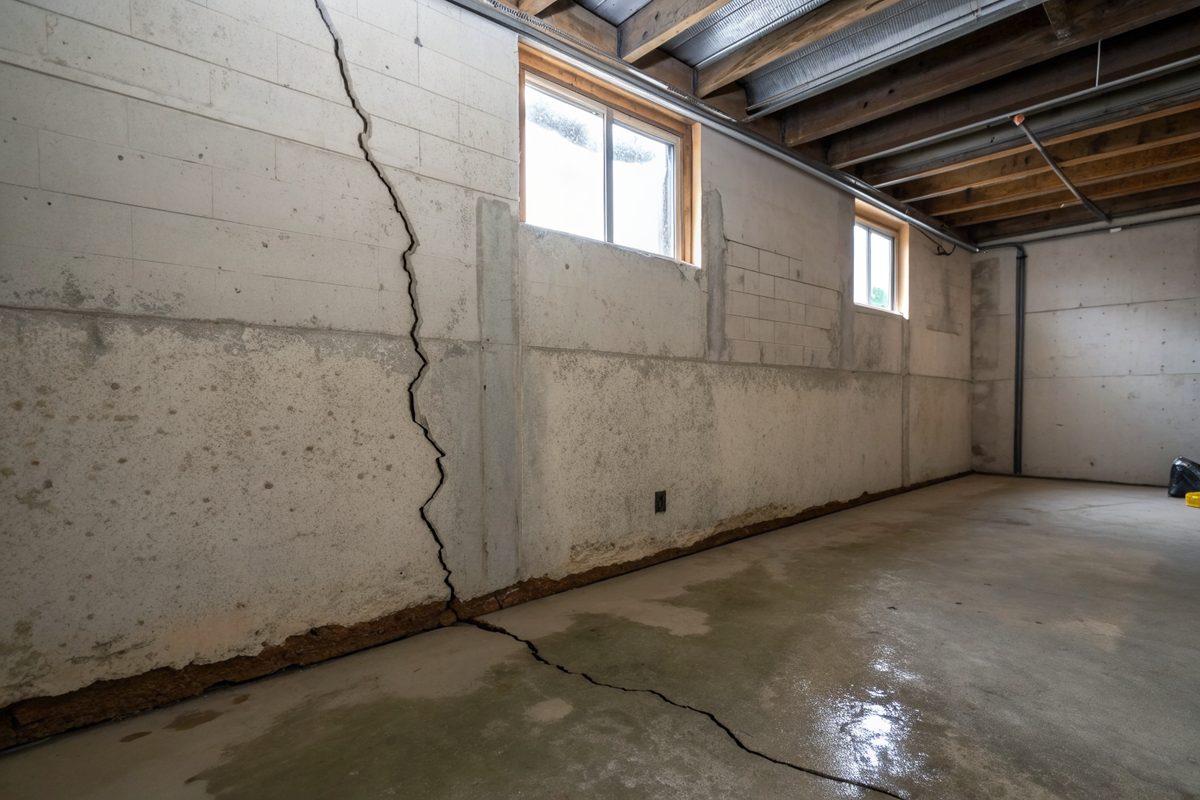
What This Covers
- Thin cracks in poured walls. Injected from inside the basement, often in one visit and with no digging.
- Stair-step cracks in block or brick. Tuckpointing the open joints, sometimes paired with drainage work.
- Crumbling mortar in older foundations. Replacing worn joints so water and soil stop working their way through.
- Cracks that only leak. Sealing the opening and looking at the gutters and grading that feed water toward it.
- A long sideways crack. Horizontal cracks, in block or poured concrete, deserve a contractor's look soon.
- A wall that bulges inward. Mention any lean or bow before settling on a simple seal.
- A crack that keeps growing. Pencil a mark at each end; if the crack passes the marks by next season, say so in your request.
How Pricing Usually Works
| Cost row | Figure | Source (year) |
|---|---|---|
| Typical basement waterproofing project | about $3,000 to $10,000 (average about $5,000) | Fixr national (2026) |
| Interior perimeter drain, per linear foot | $40 to $120 | Fixr national (2026) |
| Sump pump installation | $600 to $2,500 | Fixr national (2026) |
| Epoxy crack injection, per crack | $250 to $1,000 | Fixr national (2026) |
| Waterproof paint or sealant, per sq ft | $1 to $8 | Fixr national (2026) |
Most crack jobs fall on the injection row, a national per-crack figure from Fixr and not a price from this site. There's no sourced number here for tuckpointing, and bracing or rebuilding a wall sits outside these rows entirely, so ask for each to be priced on its own line. The cost guide breaks down the bigger price drivers.
Steps a Contractor Usually Follows
- Document it. Photograph each crack with a tape measure beside it and jot down the date.
- Wall and yard. Expect questions about the wall material, when water shows up and where the downspouts drain.
- Method on paper. The estimate should list each crack, how it will be repaired, the material and the warranty terms.
- Permits. Ask the contractor to confirm with the Chicago Department of Buildings what applies at your address; bracing or rebuilding a wall is structural work that needs City permits.
- Look again. Check the repair after the next heavy rain and once more after winter.
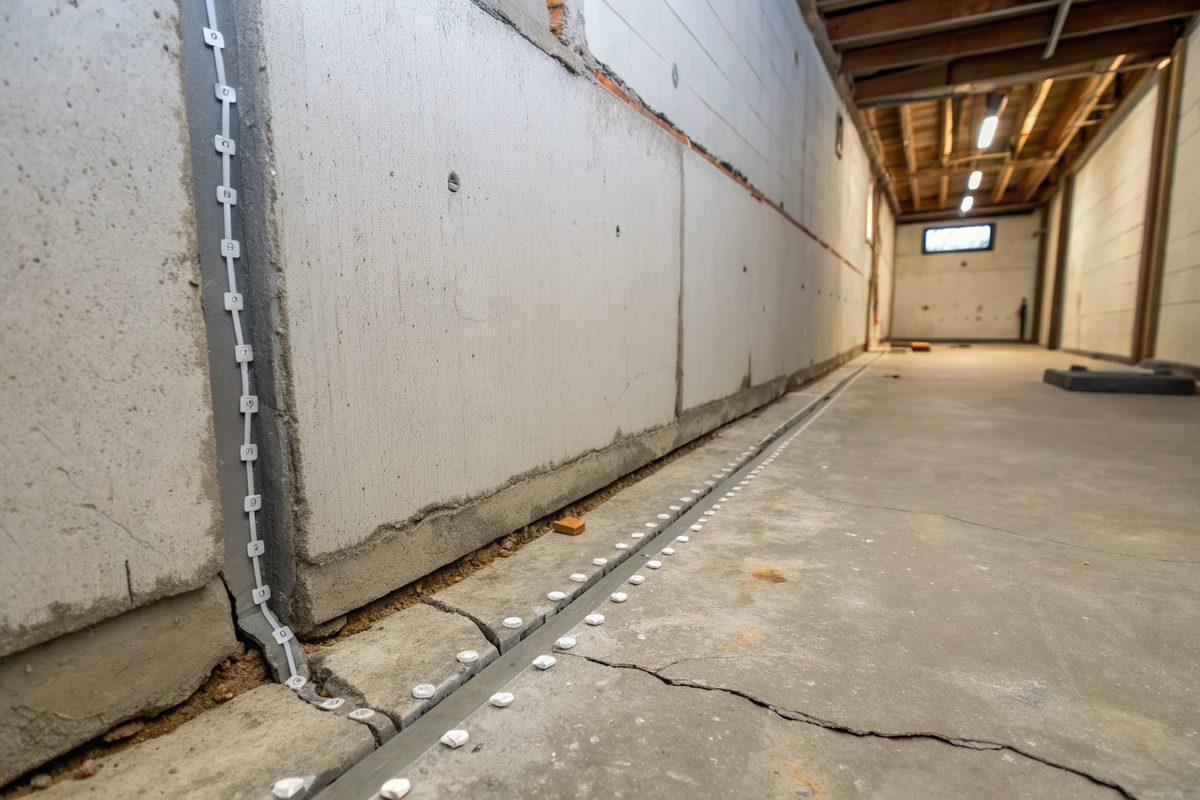
Less Hassle, Clearer Answers
You describe the crack once, and the contractor does the measuring and pricing. This site is a free referral service, not a contractor: it has no City of Chicago contractor license, never visits, gives no quotes and signs no paperwork. Contractors may buy advertising here, but homeowners never pay it and never get anything from it. Confirm the contractor's City license through the Department of Buildings lookup or by dialing 312.744.3449, ask for proof of liability insurance and workers' comp, and hold back the full price until work is underway.
What People Ask First
Should every foundation crack worry me?
No. Many thin vertical cracks in poured walls come from the concrete shrinking as it cured and may never do more than let in some water. Sideways cracks, bulging walls and cracks that keep widening are the ones worth having a contractor look at soon.
Is epoxy or polyurethane the better choice?
They do different jobs. Epoxy sets hard and glues the crack's faces together, while polyurethane expands and stays flexible, which suits a crack that only needs to stop leaking. Ask which one the contractor plans to use and why, and have it named in the written estimate.
Can an old brick foundation be injected?
Usually not well. Brick and stone walls have loose joints and hidden voids that soak up injected material without sealing the gap. Tuckpointing the mortar, often combined with drainage that takes pressure off the wall, is the more common approach for these older foundations.
Does crack repair need a permit in Chicago?
It depends on the scope. Most building work in the city needs a permit, and bracing or rebuilding a wall is structural work, so ask before anything starts. The contractor confirms permits with the Chicago Department of Buildings at 121 N. LaSalle Street; don't assume a small job is exempt.
More Ways to Keep Water Out
When a crack is only part of the story, see basement leak repair, basement drainage and full basement waterproofing, or run the wet basement checker to narrow down the likely cause.
Request a Crack Repair Estimate
Send a short description of the crack: how long it is, which wall it's on and when it lets water in. One independent local contractor will follow up to set a time to visit and write up an estimate; the decision to hire stays with you.