Full Basement Waterproofing in Chicago, IL
In Chicago, Illinois, full basement waterproofing usually means a drain and pump system, an outside membrane, or both, picked to suit your walls. Through this free referral service, your details reach one independent local contractor, who visits, looks over the basement and puts options and a price in writing.
Not sure if we cover your area? Check now ↓
Basement Estimate Request
Takes about 30 seconds. One local contractor gets it and contacts you.
Your details go to one independent contractor who works around Chicago, IL, and that contractor gets in touch with you directly. See our Referral Marketing Disclosure.
How a Basement Gets Waterproofed
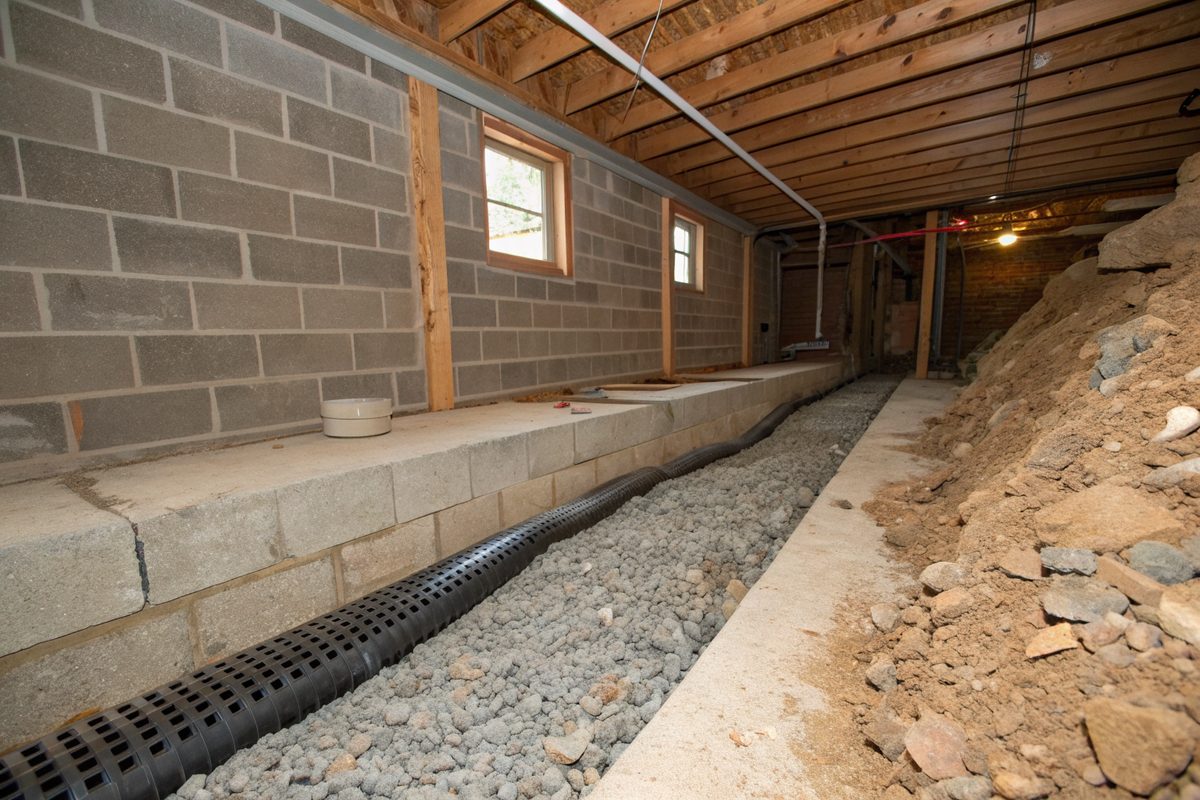
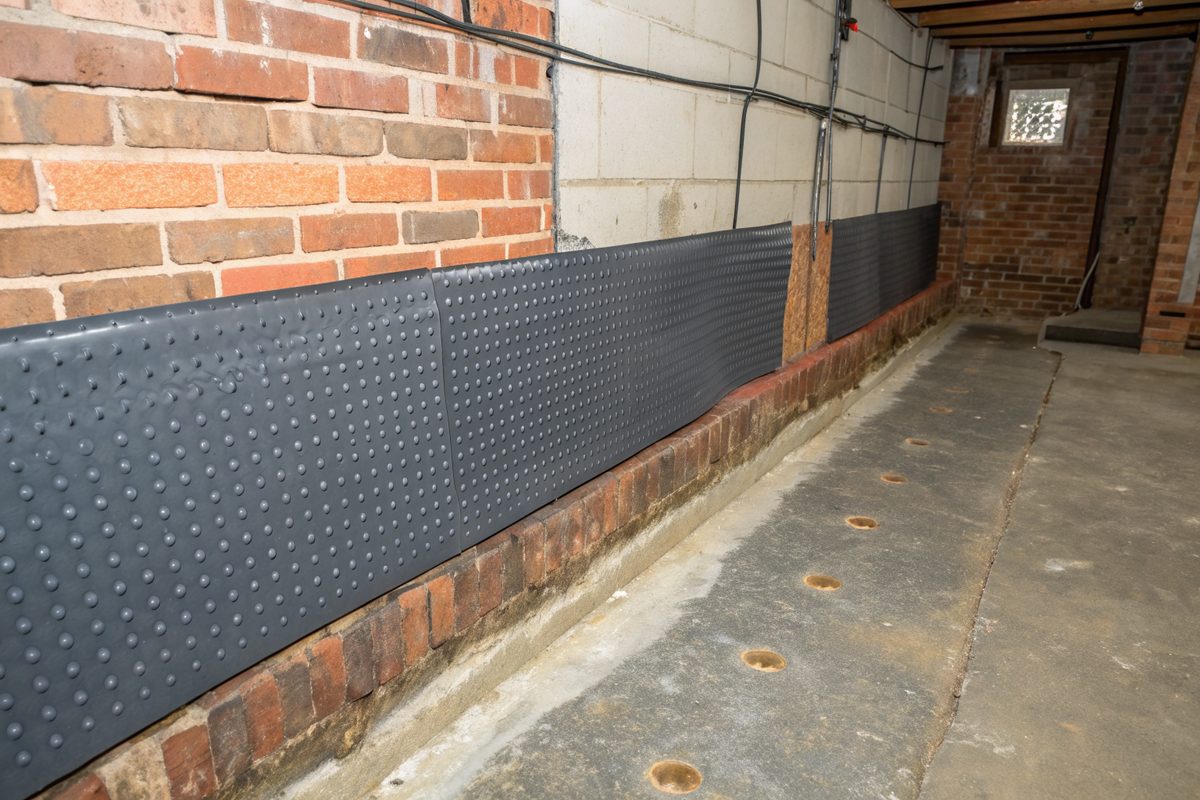
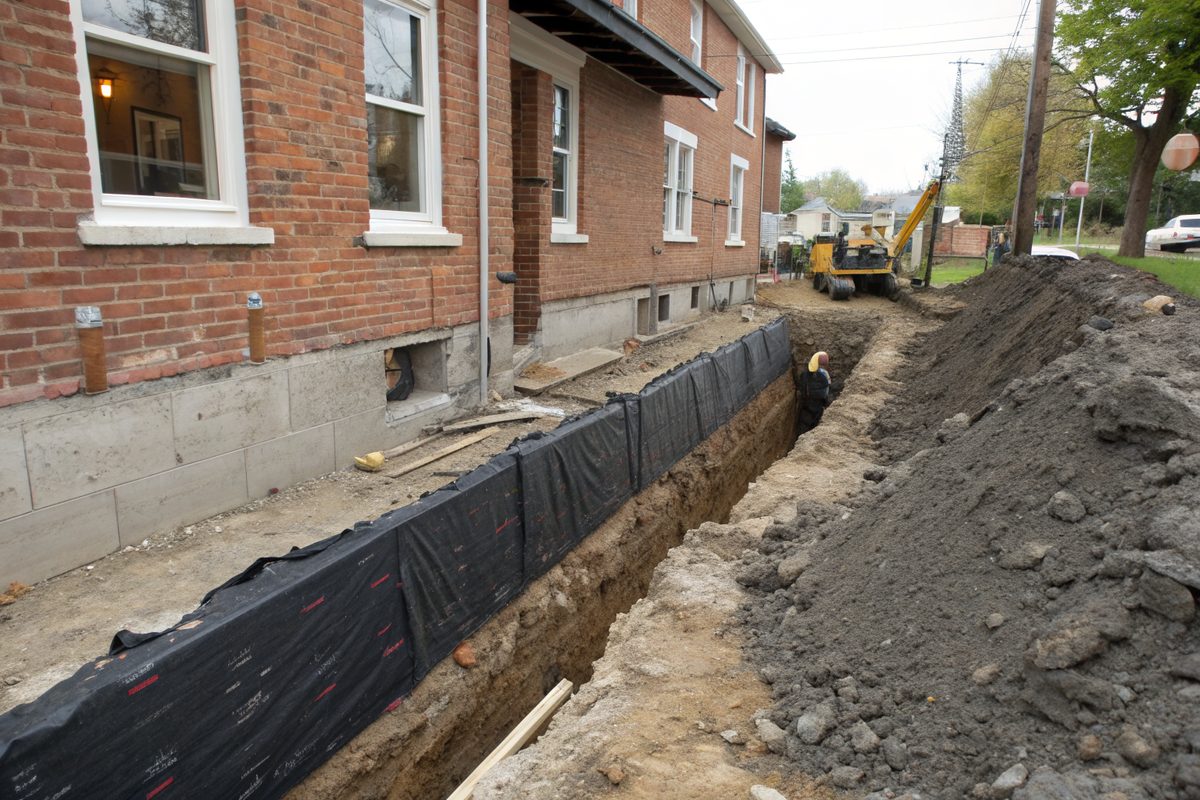
Most full systems take one of two shapes. From inside, the contractor cuts a narrow trench along the edge of the floor, sets perforated pipe in washed stone and slopes it to a sump pit, where a pump lifts the water outdoors. From outside, the contractor digs to the footing, coats the wall with a membrane and may add drain tile. Inside work spares gangways and gardens; outside work keeps water off the masonry altogether.
The wall material steers the plan. Poured concrete leaks mostly at cracks and old form-tie holes, block can hold water in its hollow cores, and older brick needs its many joints kept up. Per CMAP's reading of Census data, the median Chicago home went up around 1952 and roughly 39% predate 1940. Bungalows alone number over 80,000, close to one in three single-family houses here, and most come with a full basement (Historic Chicago Bungalow Association).
Under much of the city lies the flat bed of ancient Lake Chicago, mapped by the Illinois State Geological Survey as silt and clay, and wet clay can keep pressing water toward a wall well after the rain stops. Against that pressure, paint alone rarely holds; coatings suit light dampness. With the water handled, a vapor barrier and a dehumidifier can manage muggy summer air.
What This Covers
- Interior drain and sump. Pipe under the slab edge feeding a pit and pump, common when the next house is a gangway away.
- Exterior membrane. Digging out the foundation and coating its outer face, where the lot leaves room.
- Cracks and open mortar. Injection on poured walls, tuckpointing on block or brick, often alongside a drain.
- Clammy air. A vapor barrier and dehumidifier for basements that feel damp but seldom take on water.
- Roof and yard water. Clear gutters, downspouts that empty far from the house, and soil sloping outward.
How Pricing Usually Works
| Cost row | Figure | Source (year) |
|---|---|---|
| Typical basement waterproofing project | about $3,000 to $10,000 (average about $5,000) | Fixr national (2026) |
| Interior perimeter drain, per linear foot | $40 to $120 | Fixr national (2026) |
| Sump pump installation | $600 to $2,500 | Fixr national (2026) |
| Epoxy crack injection, per crack | $250 to $1,000 | Fixr national (2026) |
| Waterproof paint or sealant, per sq ft | $1 to $8 | Fixr national (2026) |
These are national Fixr figures, not prices from this site, and a Chicago estimate can land above or below them. A drain-and-pump system combines the second and third rows. Digging out the outside of a wall has no sourced figure here, so ask to see excavation priced separately. The cost calculator turns basement size into a rough range.
Steps a Contractor Usually Follows
- A walk-through. The contractor looks at each wall, the floor joint, any old pit, and the downspouts and grading.
- A written contract. Illinois requires one for home repair over $1,000. It should list the drain's route and length in feet, the pump model, the discharge point and the warranty terms.
- Permits. The contractor confirms permits with the Chicago Department of Buildings; plumbing tie-ins need a City-licensed plumbing contractor, sewer work a licensed drainlayer.
- The work. A strip of floor comes out, pipe and stone go in, and the concrete is patched.
- The first big rain. Make sure the pump cycles on its own and the discharge lands well clear of the walls.
Less Hassle, Clearer Answers
One form reaches one contractor, not a pile of sales pitches. This site is a free go-between with no City of Chicago contractor license, which never comes to the house, quotes no prices and signs nothing. Contractors may pay to advertise here; you pay nothing and get nothing from the site. Before you sign, run the contractor's name through the Department of Buildings' licensed-contractor search (or ring 312.744.3449) and request proof of liability coverage and workers' comp.
- Cash only, or the whole amount first. Paying as stages finish keeps you in a stronger position.
- A price that vanishes tomorrow. An honest estimate survives a week of thinking it over.
- A spoken warranty. Get it on paper, including whether it passes to the next owner.
What People Ask First
Do bungalow basements usually get an inside or outside system?
Often inside, though not always. Many bungalows sit on narrow lots with a gangway on one side and a neighbor close by, which makes digging along the foundation awkward. Where the yard is open, outside work is a fair option, so ask the contractor to walk through the trade-offs for your walls.
Can a sealant or waterproof paint do the job?
Sometimes, for light dampness. When groundwater presses through a crack or the floor joint, coatings tend to bubble and flake because water keeps arriving behind them. Paint works best as one layer of a plan that also gives water a path out.
Is a permit needed?
It depends on the job. Most building work in Chicago needs one, and any sewer connection calls for a licensed drainlayer holding a City sewer permit. Whether a drain and sump alone need a permit varies, so the contractor confirms with the Department of Buildings at 121 N. LaSalle Street.
Where should the pump send the water?
Somewhere it won't run straight back to the foundation. Most of Chicago has combined sewers, so never assume a sump line can be tied into the house drain; that is plumbing work for a licensed plumber, with permits. The contract should name the discharge point.
More Ways to Keep Water Out
For a single wet spot, start with basement leak repair or foundation crack repair, and for the parts of a full system, see sump pump installation and basement drainage.
Ask About Waterproofing Your Basement
Say which walls get wet and what weather brings it on. One independent local contractor will reach out to arrange a visit and a written estimate; hiring anyone stays up to you.